Understanding How Gout Treatment Works
What is gout and why does it happen?
Gout is a form of arthritis that causes sudden, intense joint pain, often in the big toe. It occurs when uric acid builds up in the blood and forms needle-like crystals inside a joint. These crystals trigger an inflammatory response from the immune system, leading to swelling, redness, and sharp discomfort. While genetics play a role, lifestyle factors such as diet, alcohol intake, and hydration levels can also influence uric acid levels in the body.
The goals of gout treatment
Treating gout involves two main objectives: relieving the pain of an active flare-up and preventing future attacks. A good treatment plan addresses both. For an acute attack, the priority is reducing joint inflammation and managing pain quickly. For long-term management, the focus shifts to lowering uric acid levels to a point where crystals no longer form. This requires a combination of medication, dietary changes, and consistent daily habits.
Managing an acute gout flare
When a gout attack begins, time matters. The sooner you respond, the shorter and less severe the episode tends to be. Common treatments for acute flares include nonsteroidal anti-inflammatory drugs (NSAIDs), colchicine, and corticosteroids. NSAIDs such as ibuprofen help reduce joint inflammation and ease pain. Colchicine works by interfering with the inflammatory response triggered by uric acid crystals. It is most effective when taken early in the attack, often within the first 24 hours. Corticosteroids, either oral or injected directly into the joint, are another option, especially when other medications are not suitable due to health conditions like kidney disease or stomach ulcers.
Each of these options has trade-offs. NSAIDs can irritate the stomach lining and may not be safe for people with certain medical histories. Colchicine can cause digestive upset, especially at higher doses. A doctor can help determine which option fits your situation best. The goal is to settle the inflammation quickly without introducing new problems.

Lowering uric acid for the long term
To prevent future attacks, treatment must address the root cause: high uric acid levels. This is where long-term strategies come into play. Two main classes of medication help with this. Urate-lowering drugs like allopurinol reduce the amount of uric acid the body produces. Allopurinol is taken daily and works gradually, often taking weeks or months to bring levels down to a safe range. Another class, called uricosurics, helps the kidneys excrete more uric acid through urine. These are sometimes used when allopurinol alone is not effective or cannot be taken.
Dietary changes also play a significant role. Foods high in purines, such as red meat, organ meats, and certain shellfish, can raise uric acid levels. Reducing these foods, along with limiting alcohol (especially beer and spirits), can help. Staying well-hydrated supports the kidneys in flushing out uric acid. Some people find that certain supplements, such as cherry extract, may offer mild support by helping to lower uric acid levels, though results vary and should not replace medical treatment.
What to expect from a treatment plan
Every person responds differently. Some people see improvement within days of starting acute treatment, while others need several weeks of consistent medication and dietary changes before uric acid levels drop enough to prevent attacks. It is common to have occasional flare-ups even while on treatment, especially during the first few months. This does not mean the plan is failing; it takes time for the body to clear existing crystals and for the joints to settle down.
Monitoring uric acid levels through regular blood tests helps track progress. A target level of under 6.0 mg/dL is often recommended, though your doctor may suggest a different goal based on your history. Lifestyle adjustments, such as maintaining a healthy weight and staying active, support the medication and dietary efforts. Even modest physical activity, like walking or gentle stretching, can improve joint health and reduce inflammation over time.

Common pitfalls to watch for
One mistake people make is stopping medication too soon. Because uric acid levels can rise again quickly, stopping urate-lowering drugs without medical guidance often leads to a return of symptoms. Another pitfall is relying only on acute treatments like colchicine or NSAIDs without addressing the underlying high uric acid. This treats the symptom but not the cause, leaving you vulnerable to repeated attacks. Finally, ignoring hydration is a common oversight. Even with good medication, dehydration can concentrate uric acid and trigger a flare.
The role of supplements in gout care
Alongside prescribed treatment, some people look for additional support through dietary supplements. For those focused on joint health, a targeted supplement may help maintain joint function and ease general discomfort. At Livewell2u, customers can find formulas designed to support joint, urinary, and digestive health, all of which can be relevant when managing uric acid levels and overall wellness. Supplements are not a substitute for medical treatment, but they can complement a well-rounded plan when used thoughtfully.
For example, cherry extract is sometimes taken for its potential to reduce uric acid and inflammation. While research is not conclusive, some people find it helpful as part of a broader approach. Other supplements like vitamin C and certain minerals may also support kidney function, which aids uric acid excretion. Always discuss any supplement with your healthcare provider, especially if you are already taking medications for gout or other conditions.
Putting it all together
An effective gout treatment plan combines quick relief during a flare with consistent habits that lower uric acid over time. Medications like allopurinol, colchicine, and NSAIDs each have their place, as do dietary changes and hydration. The key is to work with a healthcare professional to find the right mix for your body. Gout is manageable, and many people experience long periods without attacks once they find a routine that works for them.
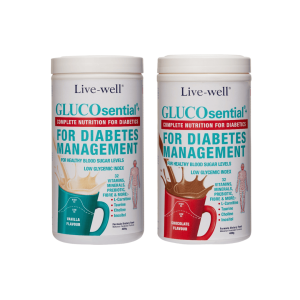
At Livewell2u, the focus is on supporting overall health through quality supplements, which can be a helpful part of a broader wellness strategy. But the foundation of gout treatment remains medical guidance and consistent daily choices. By understanding how each piece fits together, you can approach gout with confidence and reduce its impact on your daily life.